
Criollo, Forastero or Trinitario? Cocoa varieties and how they shape the taste of chocolate
Sometimes the pack shows the name Criollo, sometimes only the cocoa content – and yet cocoa varieties are among the first things that shape how chocolate will taste. In this guide we take a clear look at the three main groups of the cacao tree – Criollo, Forastero and Trinitario – and at how they usually differ in flavour, how widely they are grown and how they are used.
We will also explain why the final taste is just as much a matter of fermentation, roasting and the work of the chocolate maker. At the end we add a practical guide to reading the pack and tasting the differences at home.
The cacao tree and the cocoa bean: where cocoa varieties begin
Chocolate begins with the Theobroma cacao tree. In its fruits, known as cocoa pods, are the seeds we call cocoa beans. Wild cacao trees come from the tropical regions of South and Central America, above all from the Amazon basin. Today cocoa is grown in a tropical belt roughly between 20 degrees north and 20 degrees south.
The cocoa trade and chocolate makers still most often distinguish three main groups: Criollo, Forastero and Trinitario. It is a practical map of flavours and uses, not a complete family tree of the plant. A genetic study by Motamayor and colleagues in 2008 proposed dividing the species Theobroma cacao into ten genetic groups: Marañon, Curaray, Criollo, Iquitos, Nanay, Contamana, Amelonado, Purús, Nacional and Guiana. What the trade calls Forastero is therefore more of a broad umbrella than a single variety. For the chocolate lover, though, the three classic names remain a useful starting point.
Flavour is also shaped by where the bean grew. Here we stay with the varieties and with what a chocolate maker can still do with them.
Criollo cocoa: rarer and delicate in flavour
The Spanish word criollo means roughly “native” or “local”. This group has traditionally included cacao trees grown in Central America and in the north of South America. Criollo cocoa is rarer mainly because the trees tend to yield less and to be more prone to disease than hardier types. That is why you will come across it less often on plantations.
The cocoa bean itself already looks different from most of the world’s harvest: it is usually fuller, more rounded and paler in cross-section – from almost white to pale purple. In flavour, Criollo is generally regarded as finer and more aromatic. The International Cocoa Organization (ICCO) notes that fine flavour cocoa generally comes from Criollo or Trinitario, and mentions fruity, floral, herbal, woody, nutty and caramel notes as well as a balanced chocolate base. Chocolate makers therefore use it where aroma should stand out, often in a blend with other beans.
Forastero: the backbone of most of the world’s chocolate
The Spanish forastero means “foreign” or “from elsewhere”. It is cocoa that originated in the Amazon region and over time spread to other growing countries, including West Africa, which today accounts for a large share of the world’s harvest. The trees tend to be hardier and more productive, the beans flatter and a darker purple in cross-section.
According to the ICCO, the Forastero type makes up the vast majority of world production, and is thus the backbone of most of the world’s chocolate. In general terms the ICCO associates it with so-called ordinary (bulk) cocoa. It typically has a pronounced, straightforward chocolate flavour and less often the floral and fruity complexity people look for in finer types. That does not mean it is “worse” cocoa, though. A strong cocoa base carries most of the bars we know, from milk to dark.
There is, however, an important exception. Cacao trees of the Nacional type from Ecuador are regarded as a Forastero type, yet according to the ICCO they yield fine flavour cocoa; floral notes are often mentioned. This already shows that variety is only one part of the story, not a stamp that decides everything on its own.
Trinitario: a Criollo–Forastero hybrid
According to the ICCO, Trinitario is a group of hybrids that arose in Trinidad from crosses between various types of Criollo and Forastero. The name refers to that island: “trinitario” means Trinidadian.
In practice it is expected to combine the aromatic potential of Criollo with the greater hardiness of Forastero. In flavour it tends to be more varied than typical Forastero, and together with Criollo the ICCO generally associates it with fine flavour cocoa. Even here, though, there are exceptions: cocoa beans from Cameroon, grown on Trinitario-type trees, are still classed by the ICCO as ordinary cocoa. So the variety can give you a clue, but it does not by itself guarantee a fine flavour.
Types of cocoa beans are not everything: fermentation and roasting
Even the most interesting of the types of cocoa beans needs to be processed well. According to the ICCO, cocoa flavour develops in two steps that cannot replace one another: first through proper fermentation of the fresh beans by the grower, and then through roasting by the processor. Unfermented or poorly fermented beans have a weak cocoa flavour and are not suitable for making chocolate.
There is no single “right” degree of roast. Each maker chooses a method according to the character they want to draw out of the bean. Then come grinding, conching and the recipe itself: how much cocoa is in the bar, and whether it contains milk, sugar or, for example, nuts. Here it is enough to remember that the variety is the beginning, not the whole recipe.
The definition of fine flavour cocoa in the International Cocoa Agreement of 2010 takes a similar view: a complex, balanced flavour profile arises from the interplay of genetics, growing conditions, care of the plantation, harvesting and post-harvest processing, and the condition of the bean itself. So if you do not find the variety on the pack, that need not mean anything. In its place you will often see the cocoa content, the ingredients and sometimes the country or farm the beans come from.
How to recognise cocoa varieties and taste them at home
The easiest way to start is by comparing several dark chocolates. In dark chocolate the character of the bean usually comes through more clearly; milk, strong flavours and large amounts of nuts, by contrast, partly mask it. Choose two or three plain bars from the chocolate bars category, let them sit at room temperature for a while and taste them in small pieces. Rinse your mouth with water between samples and do not mix them in a single mouthful.
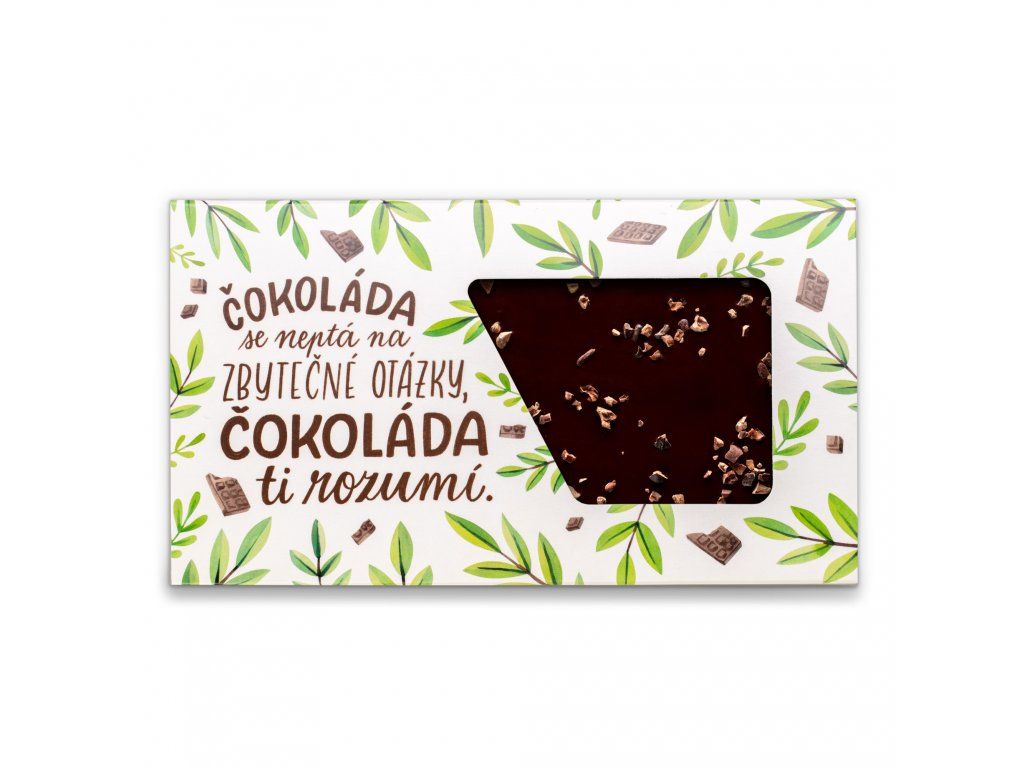
When you read the pack, focus on what is actually written there: the cocoa solids content, the ingredients and, where it is given, the origin of the beans. On an ordinary bar, a variety name is the exception rather than the rule. On the product page for the Čokoláda ti rozumí with cocoa beans bar, for example, the cocoa is said to come from Hacienda San José Real de la Carrera in El Salvador. The pieces in the bar are roasted crushed cocoa beans, known as nibs, which add a pronounced cocoa flavour and a crunch.
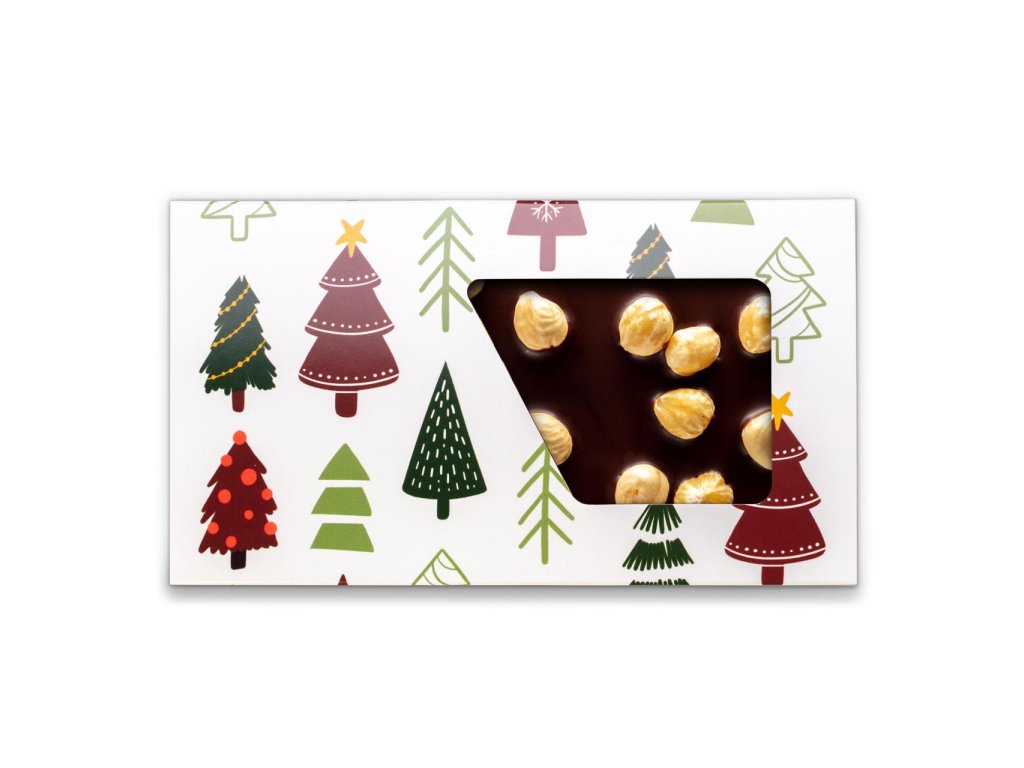
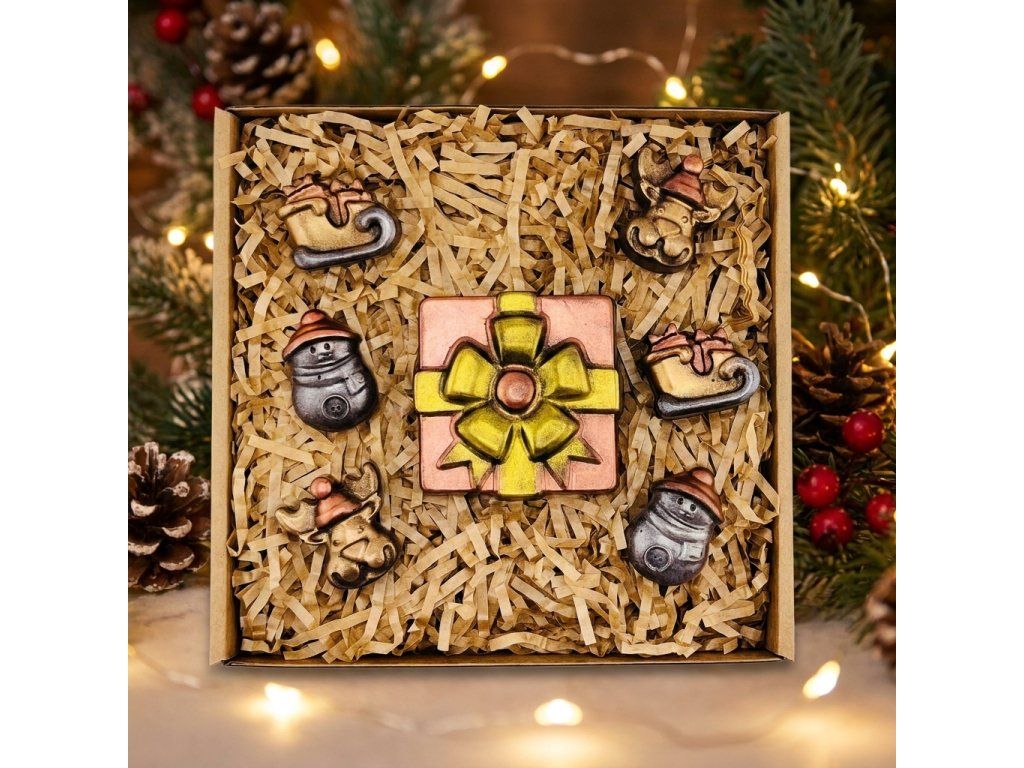
Another dark bar is the Christmas Tree – chocolate with hazelnuts. Hazelnuts have a flavour of their own, so a plain dark bar is better suited to a clean comparison of varieties. If you want to taste more types in a single pack, reach for the chocolate sets or the chocolate mini bars with a mix of white, dark, milk and flavoured chocolate. The milk chocolate category is also a good contrast to a dark tasting.

Whether you are tasting straight away or putting the bars aside for later, keep them in a dry place, in the dark, away from strong smells and usually at 18–23 °C; the exact advice differs by product, so follow the information on the pack. Only then will the comparison be about the chocolate, not about how a radiator or the fridge has affected it.
Conclusion: what to take away from cocoa varieties
Cocoa varieties are a useful map, not a verdict in a single mouthful. Criollo is rarer and usually finer, Forastero forms the backbone of most of the world’s chocolate, Trinitario combines the qualities of both, and Nacional from Ecuador is a reminder that exceptions belong to the story. Add fermentation, roasting and the work of the chocolate maker, and it is clear why two bars with the same cocoa content can taste quite different. Read the pack, compare two dark chocolates side by side and let the flavour show you the differences itself.
Want to try cocoa varieties for yourself? Choose from the dark and milk chocolates in the chocolate bars category, or pick up a chocolate set from Chocolenka and hold a tasting at home. You will find the ingredients with each product.